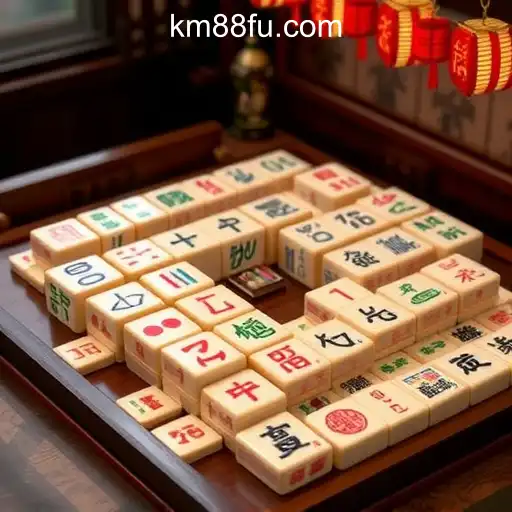
The Fascinating World of Mahjong
Mahjong is a captivating and intricate game that has captured the interest of people worldwide. Originating in China, this ancient game has transformed over the years, finding its way into various cultures and entertainment forms. Despite its rich history, Mahjong remains a popular pastime today, with players continually drawn to its unique mix of skill, strategy, and chance.
The Origins of Mahjong
Mahjong, widely regarded as a game steeped in tradition, is believed to have been developed during the Qing Dynasty in China. It is said that the game was created for entertainment purposes within the imperial court. Some accounts suggest that Confucius, the renowned Chinese philosopher, played a role in its development, promoting its moral and educational values. However, as with most ancient games, pinpointing an exact origin is challenging given the variations in historical records.
The Evolution of Mahjong
As Mahjong spread beyond China, it evolved to suit the preferences and customs of different cultures. In Japan, Mahjong developed its distinct style, incorporating local rules and strategies. Similarly, in America, Mahjong transformed into a social activity predominantly enjoyed by women, leading to the formation of clubs and associations dedicated to the game. Meanwhile, the emergence of online platforms such as KM88.COM Oficial Slots Brasil #1 has brought the ancient game to the digital arena, attracting a new generation of players.
The Rules and Structure of the Game
The game typically includes four players, a set of 144 tiles bearing Chinese characters and symbols, and a goal of building sets to achieve a winning hand. The tiles are classified into several suits, connecting honor tiles, and bonus tiles, adding layers of complexity to the game. Players must skillfully draw and discard tiles, strategizing to complete a hand of four sets and a pair, known as a "mahjong." Winning at Mahjong requires not only luck but also an acute ability to outmaneuver opponents through strategic thinking.
Mahjong Tiles and Components
Tiles are categorized into three suits: bamboo, characters, and dots. Each suit has a sequence from one to nine. Additionally, four winds—east, south, west, and north—and three dragons are considered honor tiles, often critical in achieving a Mahjong. Bonus tiles, including flowers and seasons, may play supplementary roles but vary in use by different regions and versions of the game.
Mahjong as a Cultural Phenomenon
Beyond its role as a game, Mahjong has become a cultural icon, embodying shared experiences and social cohesion in many communities. In China, for example, Mahjong is a common activity during family gatherings and festivals, symbolizing harmony and familial bonds. Similarly, Jewish American women adopted Mahjong in the early 20th century, transforming it into a community-binding activity with shared traditions distinct to their culture.
The Social Aspect of Mahjong
Mahjong is an inherently social game, providing a platform for interaction and camaraderie. The competitive nature of the game fosters a shared experience of challenge and enjoyment, drawing players into a communal atmosphere. This aspect has only been amplified with the advent of online platforms, where players globally connect, pushing the boundaries of traditional gameplay.
Mahjong in the Digital Age
The digital revolution has inaugurated a new era for Mahjong, expanding its reach through online gaming websites like KM88.COM Oficial Slots Brasil #1. With these platforms, players enjoy the convenience of playing from anywhere, at any time, while engaging in competitive play against a global audience. Technology has enriched the traditional experience by adding features like digital leaderboards, chat options, and a variety of game modes suited to different skill levels.
Challenges and Opportunities for Digital Mahjong
While digital Mahjong platforms offer unprecedented access, they also face challenges in preserving the game's social essence. Events and tournaments are increasingly being organized online, striving to replicate the communal experiences that are innate in physical gameplay sessions. However, the opportunities provided by digital platforms are vast, ranging from educational tutorials to competitive leagues, thus enhancing both the reach and depth of Mahjong's appeal.
The Future of Mahjong
Looking ahead, Mahjong's future seems bright as it continuously adapts to the changing landscapes of society and technology. Its ability to remain connected to cultural traditions while embracing modern advancements ensures that it will continue to engage and fascinate new generations of players globally. With platforms like KM88.COM Oficial Slots Brasil #1 leading the charge, Mahjong is set to increase its influence and sustain its legacy as an entertainment staple across cultures and countries.
In summary, Mahjong represents more than just a game; it is a cultural and social symbol transcending generations. From its origins in ancient China to its modern digital incarnations, Mahjong continues to captivate the imaginations of players worldwide, navigating traditions and technology alike.